

By Liam Jones
Across the country, Americans are watching the economy with growing concern. Recent reports show that while the U.S. job market remains solid, growth is slowing and inflation continues to strain household budgets. As we head toward the midterm elections, these economic trends are already influencing political messaging and voter priorities.
Growth Slows, Yet Resilience Persists
The U.S. gross domestic product (GDP) rose by roughly 1.5% in the second quarter of the year, a slowdown from the earlier 2.1% pace. Forecasts had expected somewhat stronger growth, making the weaker performance a topic of concern among economists. Despite this, some indicators — like retail sales and job creation — suggest that economic activity remains resilient, especially among households willing to spend.
Inflation That Refuses to Drop
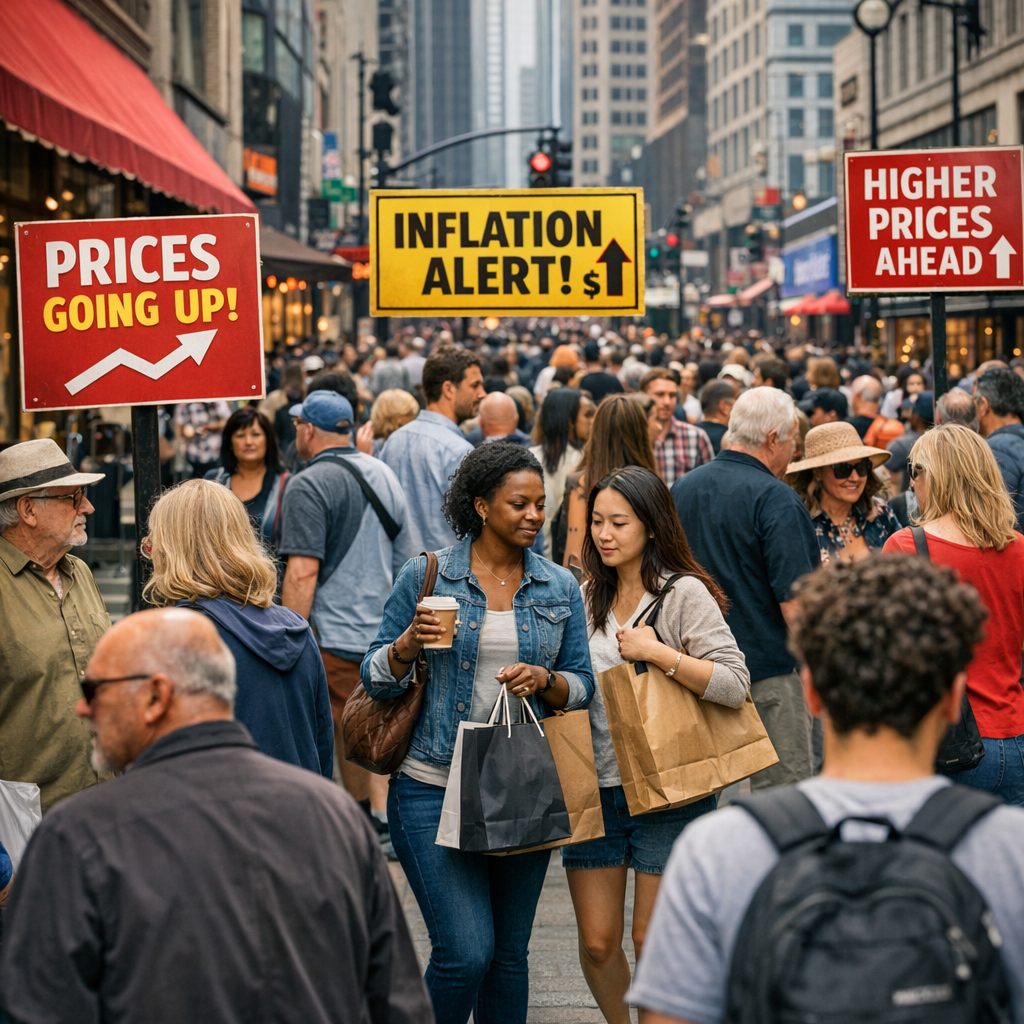
Inflation has eased in certain areas, but it remains elevated overall. The consumer price index still shows prices rising at rates above federal targets. Core inflation — which excludes volatile food and energy prices — remains persistent, particularly in sectors like shelter and services. Recent geopolitical events, including conflicts abroad, have pushed up energy costs, adding pressure to already stretched household budgets.
Political Consequences Ahead
Economic unease is becoming a central issue in national politics. Survey data shows confidence in the economy has dropped sharply among Republican voters over recent months. The White House, meanwhile, points to tax cuts, deregulation, and strong consumer spending as evidence of strength under its policies.
Policy debates are turning toward how best to ease inflation without stalling growth. The Federal Reserve is under pressure to walk a fine line between hiking interest rates to tame inflation and avoiding a recession. At the same time, economic conditions are emerging as a major factor for many undecided voters, who will be looking closely at how their leaders respond.
What to Watch Going Forward
- How inflation moves in coming months — especially in housing and services — and what that means for price stability.
- Employment trends. Slower growth may begin to show in hiring and wages, especially for lower-income workers.
- Federal Reserve decisions on interest rates and whether policymakers believe inflationary pressures are peaking.
- How much economic issues dominate political campaigning, especially in swing districts and states where voters feel the cost of living most acutely.
In Hampton and the broader Virginia region, many families feel the pinch already — whether it’s higher utility bills, rising rent, or everyday expenses. As national economic developments unfold, local residents will be watching to see if government policies deliver relief in practice. For communities like ours, the way those policies play out on Main Street matters just as much as what happens in Washington.